 Lunagisthub
INEC Postpones Nationwide Voter Revalidation: What This Means for the 2027 Elections
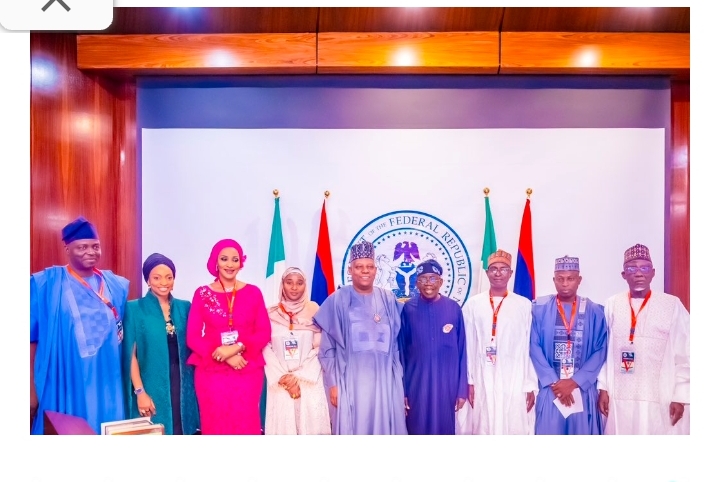
As Nigeria begins its slow march toward the 2027 General Elections, the Independent National Electoral Commission (INEC) has made a major tactical shift. In a recent high-level meeting with Resident Electoral Commissioners, the commission officially announced the postponement of its nationwide voter revalidation exercise until after the next election cycle.
This move has sparked conversations across the political landscape. But what exactly is voter revalidation, and how does this delay impact you as a citizen? Let’s dive into the details.
According to an official statement by Mohammed Haruna, the National Commissioner and Chairman of Information and Voter Education, the decision to push back the exercise was reached following a review of key electoral matters.
Originally planned to streamline the voter database ahead of 2027, the commission has now issued a directive to all Resident Electoral Commissioners to halt all publicity and logistical arrangements related to the revalidation.
For many Nigerians, the terms “registration” and “revalidation” are often confused. Voter revalidation is a crucial maintenance phase for the National Register of Voters. Its primary goals are:Verifying that existing voter records are current.Allowing citizens to fix errors in their personal information. Removing duplicate entries or names of deceased individuals to prevent “ghost voting.”Building a credible list that reflects the actual voting population.
By postponing this, INEC is essentially moving forward with the current database structure for the 2027 polls, while reaffirming its commitment to “free, fair, and inclusive elections.”While the formal revalidation exercise is on hold, your role as a voter remains unchanged. If you already have your Permanent Voter Card (PVC), ensure it is kept in a safe place.
For those who have recently turned 18 or have never registered, it is important to stay tuned for updates regarding Continuous Voter Registration (CVR), which is separate from the revalidation of old records.
Electoral integrity is the bedrock of democracy. While the postponement of revalidation might seem like a setback for database “cleaning,” INEC maintains that its current systems are robust enough to handle the upcoming 2027 cycle.
What do you think about INEC’s decision? Does delaying the revalidation help or hinder the transparency of our next election? Share your thoughts in the comments below!
Stay informed with the latest political analysis and electoral news by subscribing to our newsletter.

 Lunagisthub