 Lunagisthub
President Tinubu Signs ₦68 Trillion 2026 Budget Into Law: What It Means for Nigeria’s Economy
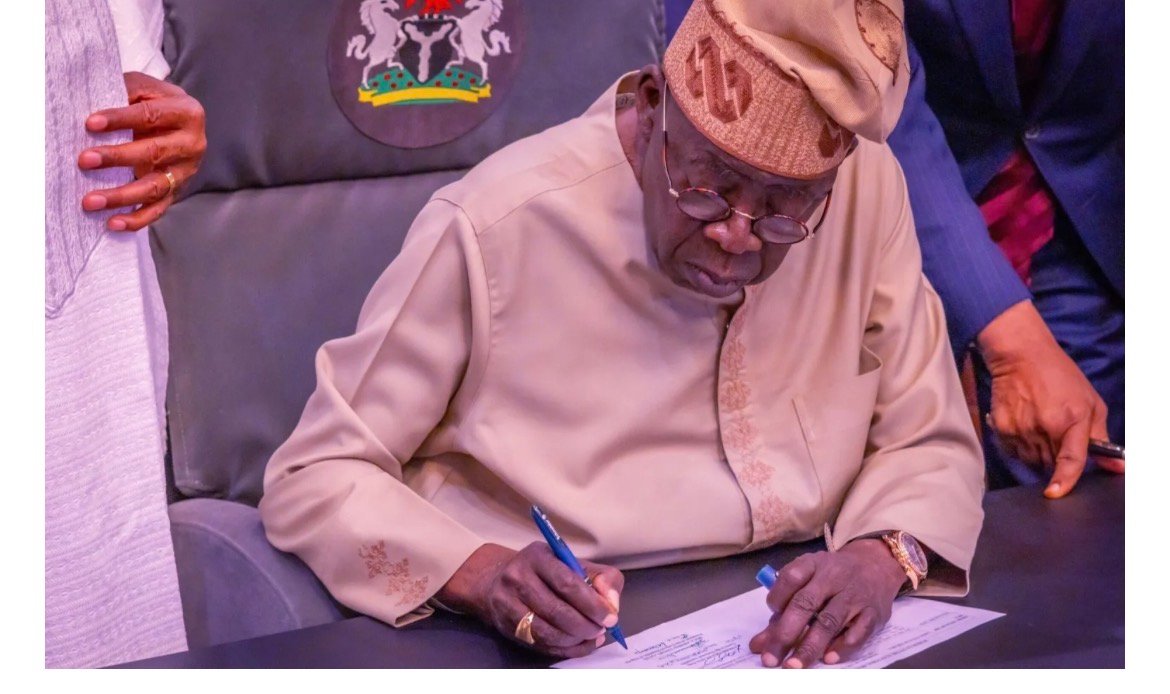
President Bola Tinubu has officially signed the 2026 Appropriation Bill into law, approving a total expenditure of ₦68.32 trillion for the fiscal year. The president also extended the implementation period for the 2025 budget’s capital projects from March 31, 2026, to June 30, 2026, to ensure ongoing infrastructure works are completed.
The ₦68.32 trillion budget is split into four key areas:
| Allocation | Amount | Share of Budget |
| Capital Expenditure | ₦32.2 trillion | ~50% |
| Debt Service | ₦15.8 trillion | ~23% |
| Recurrent Expenditure | ₦15.4 trillion | ~22.5% |
| Statutory Transfers | ₦4.799 trillion | ~7% |
With capital spending making up nearly 50% of the budget, the 2026 Appropriation Act signals a strong focus on infrastructure, job creation, and economic growth under the Renewed Hope Agenda
Tinubu also signed the Appropriation (Repeal and Enactment) (Amendment) Bill, 2026. This extends the capital component of the 2025 budget by three months, to June 30, 2026.

The 2026 budget took effect on April 1. President Tinubu has directed all MDAs to ensure “disciplined, transparent, and efficient utilisation of allocated resources.” The emphasis is on value for money and timely delivery of projects.
He also praised the National Assembly for their “diligence, cooperation, and patriotism” in passing the budget quickly.
Half of the budget goes to capital projects — roads, power, housing, and more. Expect increased construction activity.
₦15.8 trillion for debt service shows Nigeria’s repayment obligations are still heavy.
The allocations balance debt, salaries, transfers, and development to drive productivity and improve living standards.
The 2026 budget is one of Nigeria’s largest ever at ₦68.32 trillion. With 50% earmarked for capital expenditure, the Tinubu administration is betting big on infrastructure to power inclusive growth. Execution will be everything.
Want breakdowns of federal budgets, project updates, and how government spending affects your wallet? Subscribe to our free newsletter for weekly policy and business insights.


 Lunagisthub

