 Lunagisthub
Nigeria’s Great Economic Reset: How CBN’s 2026 Reforms Are Finally Paying Off
Nigeria’s economic landscape is undergoing a massive transformation. After years of volatility, the Central Bank of Nigeria (CBN) has officially signaled a “gradual economic reset.” With inflation finally on a downward trend and foreign reserves hitting a staggering $50 billion, the narrative for Africa’s largest economy is shifting from “crisis management” to “sustainable growth.”
In this post, we break down the key highlights from the recent CBN Special Day at the Enugu International Trade Fair and what these changes mean for your pocket and your business.
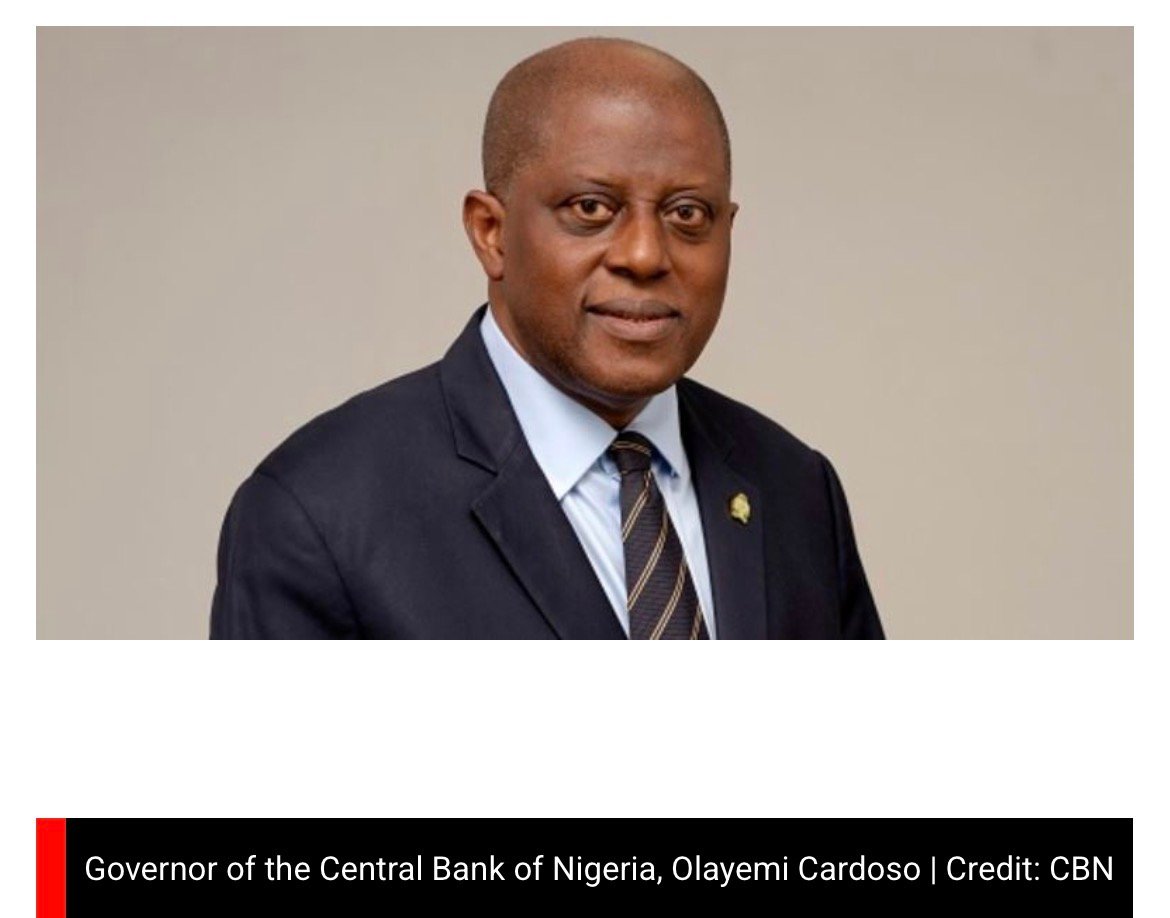
Perhaps the most significant victory for Governor Olayemi Cardoso’s administration is the drastic reduction in headline inflation.
In late 2024, Nigerians were grappling with a peak inflation rate of 34.8%. Fast forward to February 2026, and that figure has dropped to 15.06%.
Why this matters for SEO & Revenue: As inflation drops, purchasing power increases. This is the perfect time for affiliate marketers to promote consumer goods, investment apps, and fintech platforms as Nigerians regain the ability to save and invest.
A few years ago, Nigeria’s external reserves were in a precarious state, dipping below $10 billion. Today, thanks to aggressive monetary reforms and increased capital inflows (which surged nearly 200% between 2023 and 2025), the reserves have stabilized at $50.45 billion.
This massive buffer provides the CBN with the “firepower” needed to stabilize the Naira and protect the economy from global shocks.
The CBN is moving away from reactive policies and toward a forward-looking, rules-based system. Acting Director of Corporate Communications, Sidi Hakama, highlighted two major structural shifts:
- The New FX Manual: By removing restrictive capital controls and simplifying trade procedures, the CBN has successfully boosted market liquidity.
- Inflation-Targeting Framework: This new system is designed to shape market expectations and provide long-term price stability.
The March 31, 2026, deadline for bank recapitalization is nearly here. As of mid-March, 32 banks have already met the new requirements.
Interestingly, 28% of these investments came from foreign sources. This is a massive vote of confidence from global investors who see the Nigerian financial system as a safe and profitable harbor once again.
While the news is overwhelmingly positive, there is a catch. The President of the Enugu Chamber of Commerce (ECCIMA), Nnanyelugo Onyemelukwe, noted that while the Monetary Policy Rate (MPR) was recently cut from 27.0% to 26.5%, borrowing costs remain high.
For Nigeria to truly unlock its industrial potential, there is a growing call for single-digit interest rates. High credit costs currently act as a bottleneck for SMEs and manufacturers trying to boost productivity.With the “Central Bank of the Year 2026” award under its belt, the CBN’s credibility is at an all-time high.
The simplification of FX procedures makes it easier for businesses to import essential goods and repatriate profits.Keep an eye on further interest rate cuts. As the CBN achieves its inflation targets, we may see further easing, making it cheaper to take out business loans.
What do you think about the CBN’s latest moves? Are you feeling the impact of lower inflation in your daily expenses, or are high interest rates still holding your business back? Let us know in the comments below!


 Lunagisthub

