 Lunagisthub
Naira Could Strengthen to ₦1,100 per Dollar in 2026 – What Aliko Dangote’s Forecast Means for Nigeria’s Economy
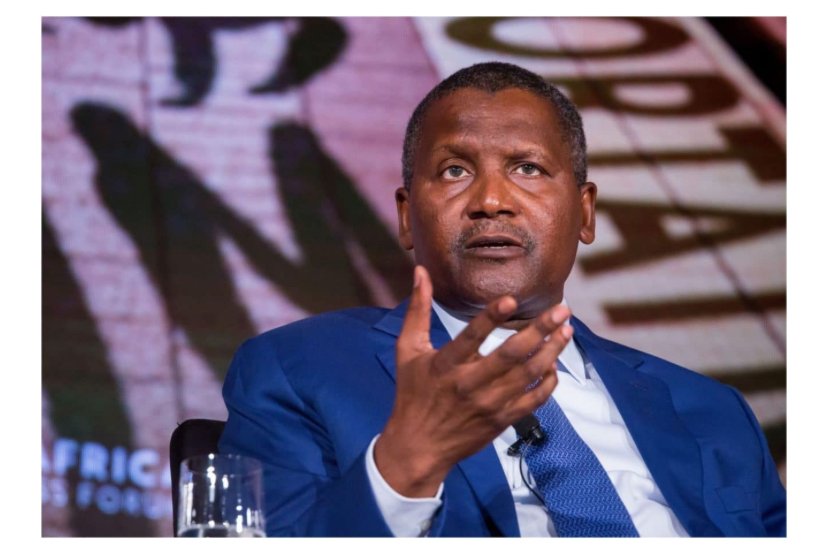
Nigeria’s foreign exchange market may be heading for a major shift. Africa’s richest industrialist,Aliko Dangote, has projected that the naira could appreciate significantly—potentially trading at ₦1,100 to $1 within the year if current economic reforms continue.
Speaking during the unveiling of the Nigeria Industrial Policy in Abuja, Dangote expressed strong optimism about the direction of the country’s economic strategy and its impact on local manufacturers.
At present, the naira trades around ₦1,300–₦1,340 to the US dollar. However, Dangote argues that government-led reforms are already producing visible results.
According to him, manufacturers are beginning to feel the positive impact of policy changes aimed at stabilizing the economy and encouraging domestic production. He suggested that tighter control over imports could significantly reduce demand for foreign exchange, which in turn would strengthen the local currency.
If Nigeria continues to reduce import dependency and prioritizes local production, the naira could appreciate to as low as ₦1,100 per dollar.
This projection signals renewed confidence in the country’s industrial and fiscal direction.
While a stronger naira sounds like good news, Dangote highlighted a complex economic reality.
Nigeria remains heavily dependent on imported goods. When the naira strengthens:
The cost of imported goods falls
Inflationary pressures may ease
Consumer purchasing power improves
However, because the country is still largely import-driven, a stronger currency also affects government revenue generated from foreign exchange conversions.
Dangote described this as a “catch-22” situation—where currency appreciation brings benefits but also forces policymakers to balance revenue and economic stability carefully.
Dangote emphasized that Nigeria should not remain an import-based economy. Instead, the focus should shift toward producing goods locally.
Reduced demand for foreign exchange
Stronger and more stable naira
Job creation and industrial growth
Improved trade balance
By manufacturing essential goods domestically, Nigeria could insulate itself from global currency volatility and reduce pressure on the naira.
However, currency forecasts depend heavily on consistent policy implementation, fiscal discipline, and sustained industrial growth.
Aliko Dangote’s projection of a ₦1,100 exchange rate is a bold yet optimistic outlook for Nigeria’s economy. While challenges remain, especially regarding import dependence, the emphasis on industrialization and policy reforms could pave the way for a stronger and more resilient naira.
For Nigeria to achieve lasting currency stability, the real solution lies not just in exchange rate management—but in building a self-sufficient manufacturing economy.


 Lunagisthub

