 Lunagisthub
Nigeria’s 2026 Budget: The $20 Trillion Naira Deficit and Escalating Debt Crisis
Why Nigeria’s New Fiscal Plan Signals Economic Turbulence Ahead
The Nigerian government has unveiled the draft of its 2026 fiscal plan, and while the document projects a cautious approach to global oil markets, the sheer size of the projected deficit and debt service commitment is raising serious alarms. This is more than just a budget; it’s a stark forecast of massive borrowing that could define the nation’s economic health for the next decade.
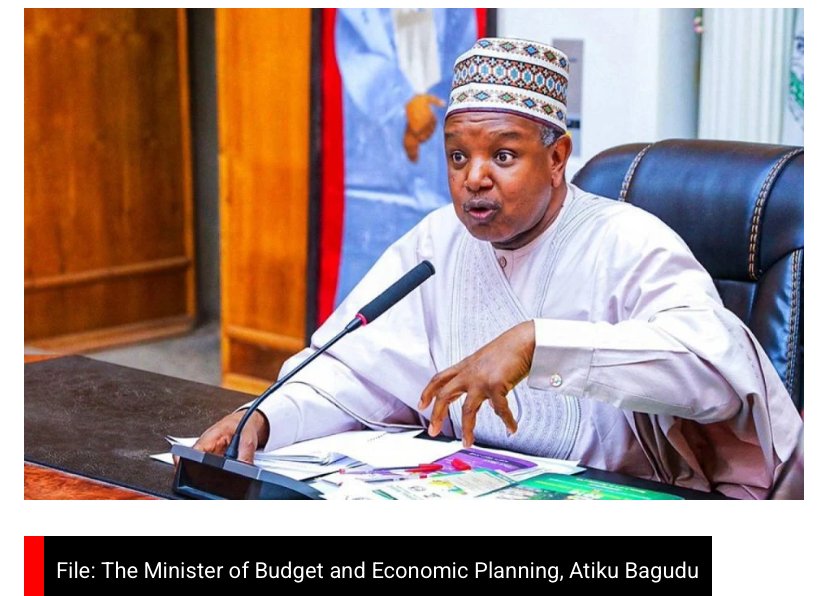
Finance Minister Bagudu confirmed that the 2026 draft budget is grounded in extremely conservative estimates. To ensure stability, the government has anchored its projections on a cautious oil price benchmark of $64.85 per barrel, significantly lower than Nigeria’s current earnings for Bonny Light crude.
In an unprecedented move, the government introduced dual crude production figures: an ambitious target of 2.06 million barrels per day (mbpd) for the industry, but a more conservative benchmark of 1.8 mbpd will guide the actual budgeting. This 12.6% safety buffer highlights official anxiety over perennial output disruptions and oil theft.
The proposed exchange rate is set at N1,512 to one US Dollar. This estimate, arrived at after extensive consultation with private and public stakeholders, is accompanied by a critical political warning: the forecasted 4.68% growth rate could be undermined by increased political spending in the run-up to the pre-election year, which typically exerts immense pressure on the Naira.
The most alarming figure in the N54.43 trillion spending envelope is the deficit. The projected shortfall for 2026 stands at a staggering N20.10 trillion. This number represents a monumental 36.9% of the entire budget and signifies that Nigeria plans to borrow more than one-third of its total planned expenditure.
When contrasted with the 2025 budget—which carried a far lower deficit of N9.22 trillion—the scale of the 2026 challenge becomes painfully clear. The new deficit is 118 per cent higher than the current year’s level, illustrating an accelerating reliance on debt financing.
If the deficit is a shockwave, the debt service provision is the aftershock that will cripple development.
The proposed debt service figure is N15.91 trillion. This single expenditure item consumes a massive 29.2 per cent of the entire 2026 budget. Simply put, for every ten naira the government plans to spend next year, almost three naira will go solely to servicing existing debt.
The trajectory of this burden is frightening. Compared to the amended 2022 budget’s N3.98 trillion debt service, the 2026 projection marks an increase of approximately 299 per cent in just four years. This rapidly escalating commitment to debt repayment drastically limits the resources available for crucial infrastructure, education, and healthcare projects.
The 2026 draft budget paints a clear picture: Nigeria is betting on cautious revenue generation while embracing aggressive borrowing to fund its operations. While the cautious oil benchmark is fiscally responsible, the exponential rise in the debt service and the multi-trillion naira deficit demand urgent attention. Businesses and citizens must prepare for an economy operating under extreme fiscal constraint, where the government’s ability to invest in growth is increasingly overshadowed by its commitment to its creditors.
Stay informed on how this massive borrowing impacts inflation and investment opportunities. Share your thoughts on whether the $64.85 oil benchmark is truly conservative enough!

 Lunagisthub

