 Lunagisthub
Tinubu Warns Against Private Military Companies in African Conflicts
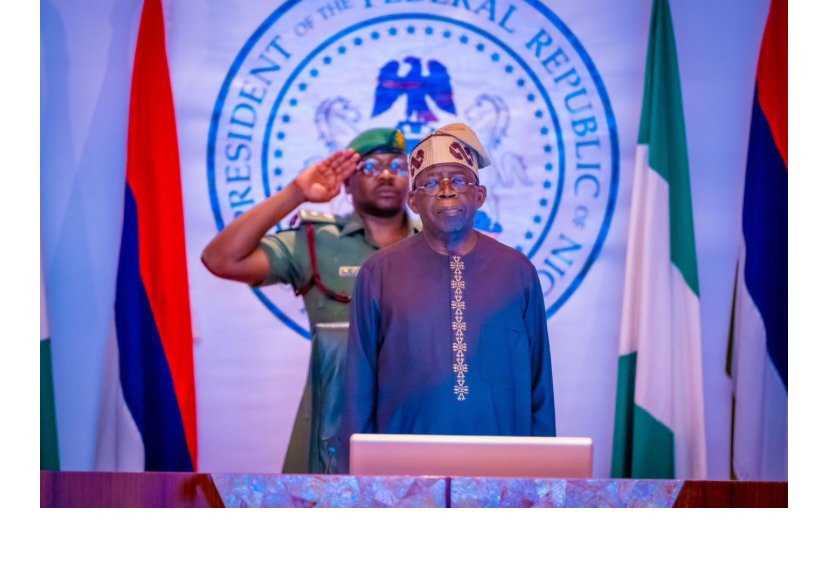
President Bola Tinubu has rejected the growing reliance on private military and security contractors in conflict zones in Africa, warning that their involvement undermines sovereignty and complicates counter-terrorism operations across the continent. Speaking at the 7th African Union–European Union Summit in Luanda, Angola, Tinubu emphasized that peace efforts must be led and owned by African governments rather than outsourced to private actors with opaque mandates
Tinubu argued that Africa’s security challenges, from terrorism to transnational organized crime, require coordinated state-driven responses, not parallel forces that weaken command structures. He noted that the presence of private military companies often complicates resolution efforts and undermines state sovereignty. The Nigerian leader’s stance aligns with the country’s long-standing approach to regional peace missions under ECOWAS and the AU
Tinubu called for stronger cooperation between Africa and the EU to address the continent’s security challenges. He emphasized the need for African-led frameworks and regional ownership to drive positive outcomes, rather than relying on external solutions. The Nigerian leader also reiterated Nigeria’s commitment to strengthening peace and democratic stability across the continent
Tinubu also intensified Nigeria’s bid to secure permanent seats with veto-wielding authority in the United Nations Security Council for Africa. He stressed that a comprehensive reform of the global governance system is long overdue and called on EU member states to support Africa’s long-standing and legitimate call for reform
Tinubu’s speech highlights the need for African-led solutions to the continent’s security challenges. The growing reliance on private military companies is a concern that needs to be addressed, and African governments must take ownership of peace efforts. The EU’s support for African-led frameworks and regional ownership is crucial in driving positive outcomes and achieving sustainable stability across the continent


 Lunagisthub