 Lunagisthub
Racism in Football: Why the Vinícius Jr Incident Sparks a Bigger Conversation
Racism in football continues to cast a dark shadow over the beautiful game. The recent controversy involving Brazilian star Vinícius Jr has once again reignited debate about discrimination, accountability, and equality in global sports.

When players react emotionally to incidents on the pitch, there is often a deeper reason behind their frustration. In this case, Vinícius Jr appeared visibly distressed, prompting widespread discussion about whether racist abuse was involved.
During a heated match, tensions escalated following Vinícius Jr’s goal celebration. Some critics suggested that his actions provoked the crowd. However, others strongly defended the winger, arguing that no celebration justifies racial abuse.
Football figures and managers weighed in on the matter, offering differing interpretations of what occurred. While one side claimed the player’s conduct incited supporters, others emphasized that racism — in any form — is unacceptable regardless of context.
Several voices within the football community reiterated a powerful message: racism should never be tolerated — not in stadiums, not online, not anywhere.
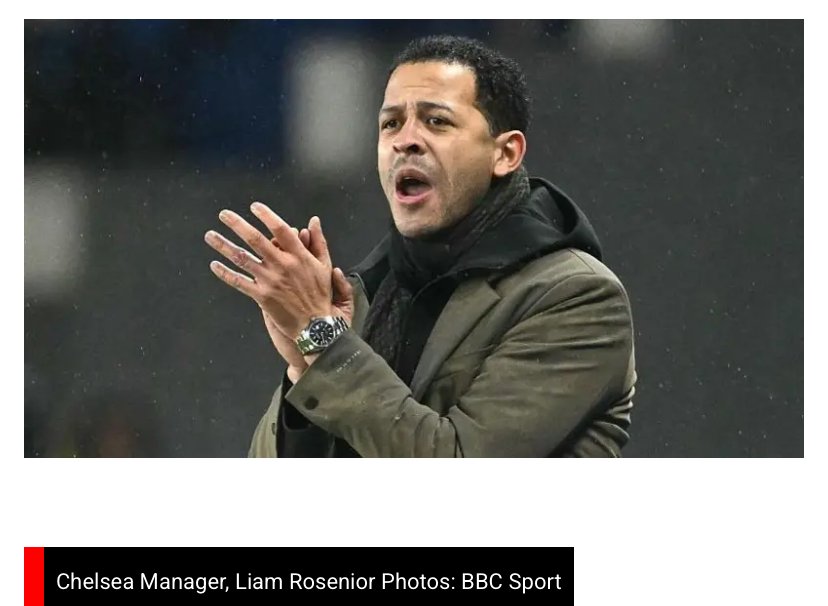
One manager speaking on the issue highlighted that when a player is visibly upset, there is often a serious reason behind it. He also shared his own experiences with racial abuse, explaining how painful it is to be judged based on race rather than merit.
Being criticized for something tied to identity — rather than performance — can leave lasting emotional scars. For athletes already under immense pressure, discriminatory abuse compounds the psychological burden.
The club at the center of the controversy has denied the allegations. Officials described the accusations as a defamation attempt and released video footage online, claiming that the distance between players and fans made it unlikely that any reported comments could have been heard.
This response reflects a growing trend in modern football: incidents are quickly dissected across social media, with video clips and fan recordings becoming central pieces of evidence.
However, the debate also raises important questions:
How should football handle racism allegations?
What constitutes sufficient proof?
Are current disciplinary measures strong enough?
Racism in football is not an isolated issue. It mirrors divisions present in wider society — including prejudice based on nationality, religion, ethnicity, and skin colour.
Calls for accountability have grown louder. Many believe stronger consequences are necessary for clubs, players, and fans found guilty of discriminatory behaviour.
The core message remains simple yet powerful: individuals should be judged by their character and conduct — not their background.
Beyond the moral implications, racism in football also has financial consequences:
Sponsors may reconsider partnerships.
Leagues risk damaging global brand value.
Broadcasters face pressure from viewers.
Clubs can suffer reputational harm.
Football is a multi-billion-dollar global industry. Protecting its integrity is not just ethical — it is essential for long-term sustainability.
To combat racism effectively, stakeholders must:
1. Enforce stricter penalties for discriminatory behaviour.
2. Invest in education and awareness campaigns.
3. Support players who speak out.
4. Encourage fan accountability within stadiums and online.
Silence enables prejudice. Collective responsibility can dismantle it.
The latest controversy serves as a reminder that despite progress, racism remains a serious challenge in football. While disagreements about specific incidents may continue, the broader principle is clear: discrimination has no place in sport.
Football has the power to unite cultures, inspire millions, and bridge divides. To preserve that power, equality must be defended at every level of the game.

 Lunagisthub