 Lunagisthub
Nigeria Introduces Chinese Language into Secondary School Curriculum
In a significant move to enhance cultural exchange and economic cooperation between Nigeria and China, the Federal Government has added Chinese Language (Mandarin) to the country’s secondary school curriculum. This development aims to equip Nigerian students with valuable language skills, fostering greater understanding and collaboration between the two nations.

With over a billion speakers worldwide, Mandarin has become a crucial language in global commerce, education, and tourism.
The Nigerian Educational Research and Development Council (NERDC) recently reviewed the national curriculum, introducing Mandarin as an optional subject in senior secondary schools.
The new curriculum will take effect from the 2025/2026 academic session, with Chinese Corners already established in various secondary schools across the Federal Capital Territory (FCT) .
In today’s interconnected world, speaking Mandarin can give Nigerian students a competitive edge in the job market and open up career opportunities in international trade, diplomacy, and more.
Learning Mandarin will facilitate cultural exchange between Nigeria and China, promoting mutual understanding and cooperation.
As China continues to play a significant role in global economics, proficiency in Mandarin can help Nigerians navigate business and trade opportunities with Chinese companies .The Chinese government has established educational and cultural centers, known as Chinese Corners, in Nigerian secondary schools to promote Mandarin language learning and cultural exchange.
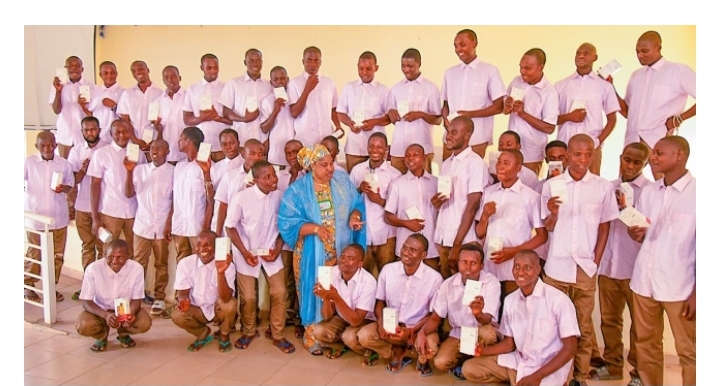
The Chinese Embassy in Nigeria has donated teaching materials and cultural books to support the rollout of Mandarin language education.
Teachers and staff in the FCT have benefited from capacity-building programs in China, enhancing their ability to teach Mandarin effectively.


 Lunagisthub