 Lunagisthub
Diplomacy or Drama? Why Nigeria Blocked Macky Sall’s Path to the UN Top Job
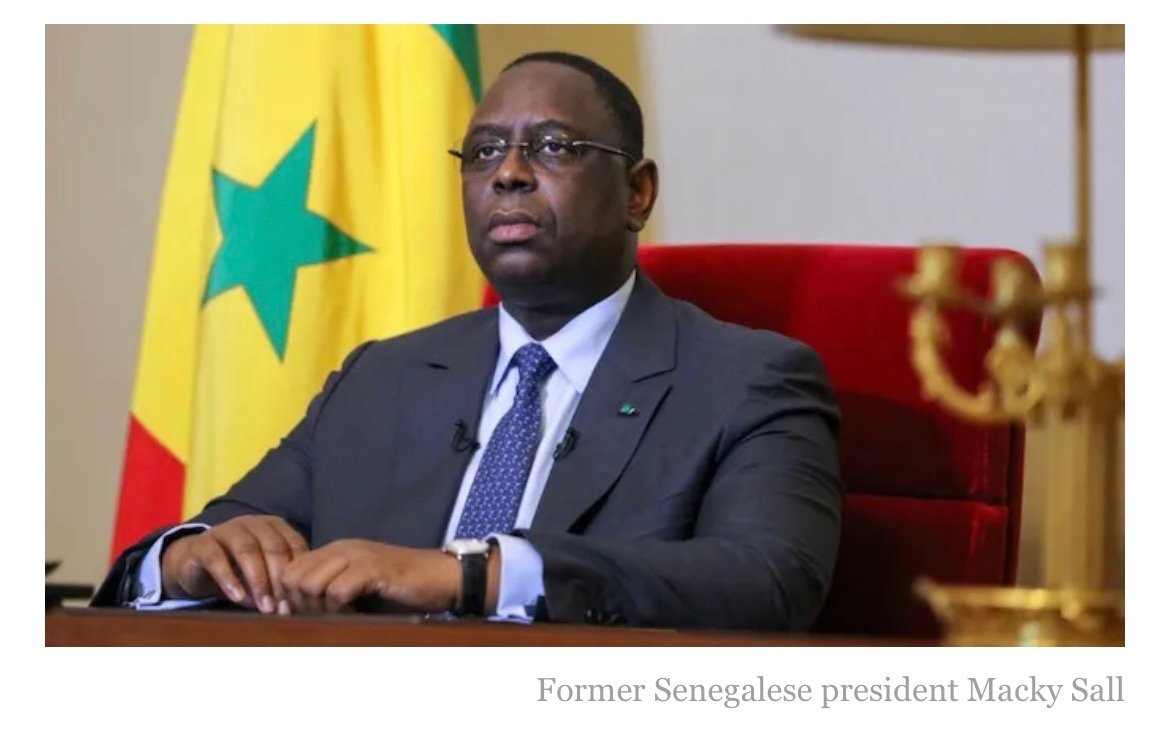
In the high-stakes world of international diplomacy, procedure is everything. This week, a significant rift opened within the African Union (AU) as Nigeria formally moved to block the candidacy of former Senegalese President Macky Sallfor the position of United Nations Secretary-General.
While the move might look like a personal snub on the surface, the reality is a complex web of diplomatic “red tape,” shifting alliances, and a fight for the integrity of African continental decisions.
Nigeria’s objection, delivered via a formal Note Verbale to the African Union Commission, was clear: This isn’t about the man; it’s about the method.
The Nigerian Permanent Mission to the AU and UNECA emphasized that their reservation is a matter of “procedure and principle.” They argue that the push to adopt Macky Sall as the “consensus candidate” for Africa was handled in a way that violated established diplomatic norms.
“The nomination… was procedurally incorrect,” the mission stated, clarifying that their stance is not an opposition to Sall personally or to the nation of Senegal.
How the Bid “Blurred the Lines”
So, where did things go wrong? The trouble started with Burundi.
Following the rotating AU chairmanship handover in February, Burundi’s President Évariste Ndayishimiye nominated Macky Sall. However, analysts point out that this submission bypassed critical gatekeepers.
According to standard AU rules, a candidacy must travel a specific path:
- Review by the Committee of Permanent Representatives.
- Assessment by the Ministerial Committee.
- Final decision by the Executive Council (via consensus or a two-thirds majority).
In Sall’s case, his name was reportedly missing from the official list of African candidates during the February AU summit. Critics argue that Burundi’s move was a “late-hour” attempt to force a continental endorsement without the necessary consultation with all 55 member states.
The drama intensified when a draft decision was circulated with a strict 24-hour deadline. This “silent procedure” required member states to object within a day, or the nomination would be considered approved.
The response was swift:
20 countries broke the silence to either object or ask for more time.14 nations, including heavyweights like Nigeria, South Africa, Algeria, and Rwanda, raised formal objections.6 nations, including Egypt, requested an extension of the deadline.
In a surprising twist, even Senegal distanced itself from the process, claiming it was not associated with Burundi’s sudden initiative.
Nigeria’s firm stance highlights a growing demand for transparency within the African Union. As the continent seeks a stronger, more unified voice on the global stage—particularly within the UN—the process of selecting leaders is under more scrutiny than ever.
By insisting on “correct procedure,” Nigeria is sending a message: Africa’s candidates for global roles must be the product of genuine collective agreement, not diplomatic shortcuts.

 Lunagisthub