 Lunagisthub
FG Exempts Colleges of Education and Agriculture from UTME: What It Means for Students and Teacher Training
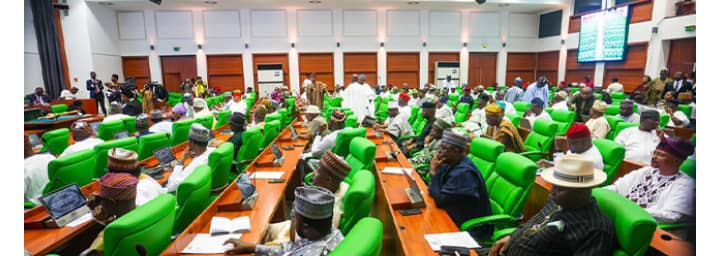
The Federal Government has exempted admission seekers into Colleges of Education and Agriculture from writing the Unified Tertiary Matriculation Examination, UTME. The announcement was made last week by Education Minister Dr. Tunji Alausa during the annual policy meeting on tertiary admissions.
The policy shift has sparked mixed reactions across Nigeria’s education sector, with stakeholders debating its impact on access, quality, and teacher training standards.
Under the new directive, candidates for Colleges of Education, Agriculture, and non-technology National Diploma programs in agriculture-related courses no longer need UTME scores for admission.
But there’s a catch: all applicants must still register with JAMB. The goal is to keep admissions documented, screened, and processed through the Central Admissions Processing System, CAPS.
Alausa said the move aims to expand access, boost inclusion, and maintain integrity in Nigeria’s admission process.
“This approach strikes a balance between widening access and preserving the integrity of our admission system,” he explained. “It will ease UTME pressure and encourage more students into teacher education and agriculture—two areas critical to national development.”
The minister also warned that any institution admitting students outside CAPS will face sanctions, including possible suspension of operating licenses. Not everyone is on board. Critics argue the exemption could lower admission standards and weaken teacher training in Nigeria.
COEASU’s Position
Dr. Lawan Bazza, National President of the Colleges of Education Academic Staff Union, said the union was not consulted before the policy was announced.
“Anytime government is muting a policy idea, it must engage critical stakeholders,” Bazza said at a press conference in Abuja. “We always call for a bottom-top approach, not a top-bottom approach.”
He acknowledged efforts to boost enrollment but warned that policy changes must not compromise the quality of teacher training. COEASU reaffirmed support for the Federal Colleges of Education Act 2023, which keeps the NCE as the minimum teaching qualification, and endorsed a proposed five-year training structure for student teachers.
NUT’s Concerns
The Nigeria Union of Teachers also opposed the policy. President Titus Amba said at a TRCN workshop in Abuja that if poorly implemented, the exemption could weaken teacher training and undermine professionalism.


 Lunagisthub