 Lunagisthub
Oil, Fire, and Falling Trees: The Twin Crises Suffocating Akwa Ibom and Cross River
In the coastal stretches of the Niger Delta, a quiet but devastating war is being waged against the environment. While the region has long been known for its rich biodiversity and aquatic life, a toxic combination of oil spills, gas flaring, and rampant deforestation is pushing the local ecosystem—and the people who depend on it—to a breaking point.
Recent reports from Akwa Ibom and Cross River states paint a grim picture of a landscape under siege. From the mangroves of Ibeno to the forest reserves of Esierebom, the “mainstay” of the local economy is being systematically dismantled by both corporate negligence and local desperation.
In the Ibeno Local Government Area of Akwa Ibom, the daily reality for fishers has shifted from harvesting bounty to managing loss. The continuous discharge of crude oil into the waterways, coupled with the persistent heat of gas flaring, has turned the Atlantic shores into a graveyard for aquatic life.
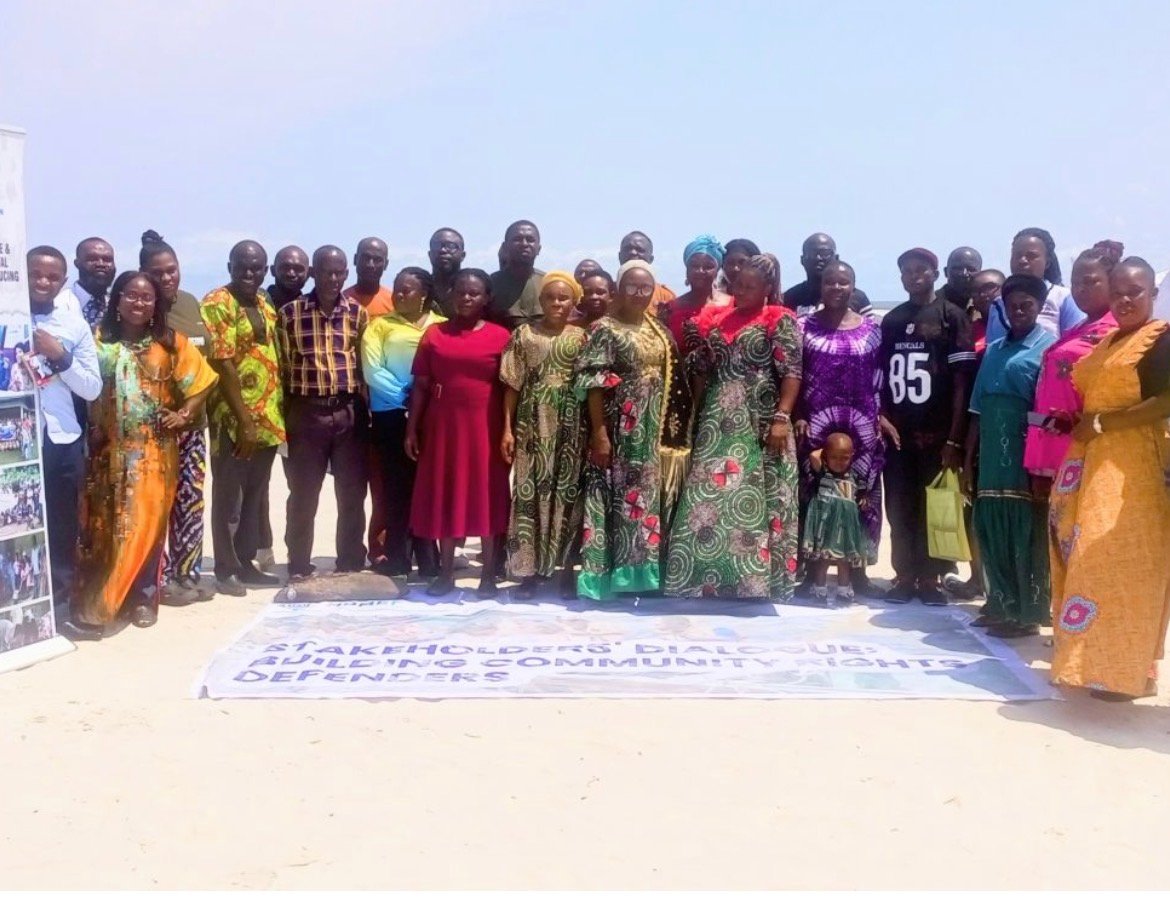
During a recent Stakeholders Dialogue organized by the Peace Point Development Foundation (PPDF) and HOMEF, local residents shared heartbreaking accounts of this decline. One such voice belongs to Mrs. Akpanika Akpan Felix, a dedicated fisherwoman from the Upenekang community.Where a 5:00 AM trip used to yield a boatload of fish, it now often results in nothing but oil-soaked equipment.
Investing in fishing is no longer sustainable. Mrs. Felix noted that setting up a proper fishing outfit—including nets, ropes, and labor—can cost over ₦130,000.
Because of the corrosive and sticky nature of the spilled oil, these expensive nets are ruined in less than three months.
“Oil scares away the fish and destroys our nets, while the gas flaring kills what’s left,” she lamented. For many families, this isn’t just an environmental issue; it’s a direct threat to their ability to educate their children and survive.
While Akwa Ibom battles the sea, Cross River is witnessing the disappearance of its land. In Esierebom, massive deforestation is currently underway. Observers warn that if the current pace of logging continues, the community’s forest reserves and timber resources will be completely erased in the near future.
The loss of these forests doesn’t just mean fewer trees; it means the loss of natural carbon sinks, the destruction of wildlife habitats, and the destabilization of the soil that protects coastal communities from erosion.
The common thread in these stories is a lack of accountability. Despite the visible degradation, concerned authorities have been slow to intervene, leaving local communities to fend for themselves.
Events like the PPDF and HOMEF roundtable are critical because they aim to build “Community Rights Defenders.” By empowering the people of the Niger Delta to document these hazards and advocate for their own environmental rights, there is a glimmer of hope that the tide can be turned.
The message from the ground is clear: the people are exhausted. Without immediate intervention to curb oil pollution and halt the stripping of forest reserves, the coastal ecosystems of Akwa Ibom and Cross River may soon reach a point of no return.


 Lunagisthub