 Lunagisthub
Jeffrey Epstein’s Africa Connections: Power, Politics, and Financial Networks in Senegal and Ivory Coast
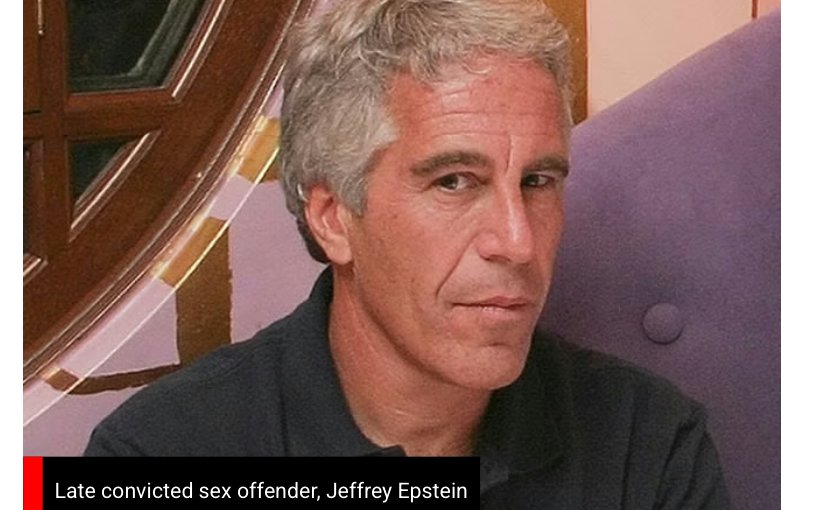
Freshly released U.S. government documents have shed new light on the international reach of convicted sex offender Jeffrey Epstein revealing previously undisclosed relationships with influential political figures in West Africa.
The files, made public by the United States Department of Justice, outline Epstein’s connections in Senegal and Ivory Coast, exposing a web of business discussions, political ties, and financial involvement that stretched across continents.
While the documents do not directly link these African figures to Epstein’s criminal activities, they provide insight into how the disgraced financier cultivated relationships with power brokers around the world.
Epstein and Karim Wade: Business Ties in Senegal
One of the most notable relationships detailed in the files involves Karim Wade, son of former Senegalese president Abdoulaye Wade.
According to the documents:
Epstein and Wade first met in 2010.
The introduction was facilitated by Emirati businessman Sultan Ahmed bin Sulayem.
Discussions reportedly centered around finance, offshore banking, energy, and infrastructure.
At the time, Karim Wade was one of the most powerful political figures in Senegal, overseeing multiple government portfolios. Epstein allegedly viewed him as a key player in Africa’s political and financial landscape.
Business Interests and International Networking
The files suggest Epstein attempted to connect Wade with global business and political contacts, including:
Ehud Barak
Chinese businessman Desmond Shum
Meetings reportedly took place in Beijing and Europe, with discussions touching on offshore financial structures and international investment opportunities.
Financial Support During Wade’s Legal Troubles
In 2013, Karim Wade was arrested on corruption charges in Senegal and later sentenced to prison.
The newly disclosed documents suggest:
Legal invoices totaling $1 million were allegedly routed through Epstein-linked companies.
Epstein may have covered lobbying expenses through U.S. firm Nelson Mullins.
Communications referenced discussions about whether then-President Macky Sall would issue a pardon.
Karim Wade was released in 2016 and later relocated to Qatar. There is no evidence in the files that ties him to Epstein’s criminal operations.
Ivory Coast: Epstein’s Access to Political Circles
The documents also reveal ties between Epstein and Nina Keita, niece of Ivorian president Alassane Ouattara.
Acted as an intermediary between Epstein and political contacts.
Arranged accommodations during his visit to Abidjan.
Facilitated introductions within Ivory Coast’s leadership circles.
Emails referenced in the files show Epstein expressing interest in social introductions during his trip.
Today, Keita serves as deputy general director of GESTOCI, Ivory Coast’s state petroleum storage company.
The newly revealed communications reinforce a familiar pattern in Epstein’s strategy:
1. Identify influential political heirs or insiders.
2. Build trust through investment opportunities and financial assistance.
3. Offer networking access to global elites.
4. Maintain leverage through financial entanglements.
From Wall Street to Europe, the Middle East, and now West Africa, Epstein appeared to position himself as a financial gateway for emerging power players.
It is important to note:
The files do not directly link the African figures mentioned to Epstein’s criminal conduct.
The documents primarily reveal business dealings, communications, and financial involvement.
Legal representatives contacted have largely declined public comment.
However, the disclosures highlight how Epstein embedded himself within global political and financial ecosystems — far beyond the United States.
Epstein’s ability to form relationships with influential individuals across multiple continents underscores a broader issue: how financial networks can intersect with political power.
The newly released documents add another layer to the ongoing scrutiny of Epstein’s international dealings and the scope of his influence prior to his death in 2019.
As investigations and document releases continue, further revelations could reshape public understanding of his global connections.

 Lunagisthub