 Lunagisthub
Senate Strikes Back: Death Penalty for Kidnappers and a Probe into “Safe School” Funds
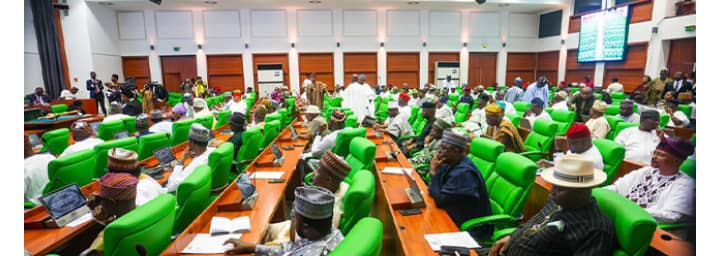
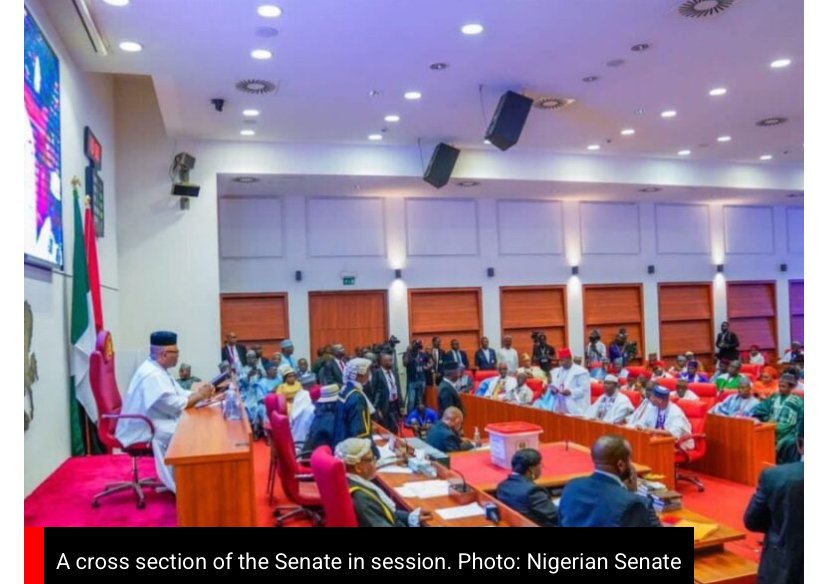
The Nigerian Senate is taking decisive—and aggressive—action in response to the rising tide of insecurity sweeping the nation. In a two-pronged approach revealed during today’s plenary, lawmakers moved to tighten the legal noose around kidnappers while simultaneously launching an investigation into why Nigerian schools remain vulnerable despite significant funding.
Here is a breakdown of the major developments rocking the National Assembly and the Presidency this week.
The Senate has officially commenced the amendment of the Terrorism (Prevention and Prohibition) Act, passing the bill through its first reading.
Sponsored by Senate Leader Opeyemi Bamidele, this legislative move comes just 24 hours after a heated debate on national security where lawmakers reached a consensus: kidnapping should be classified as terrorism. The proposed amendment aims to alter the current legal framework to impose the ultimate punishment—the death penalty—on those convicted of kidnapping.
This push for harsher penalties is a direct response to the surge in abductions that has left citizens and communities living in fear.
While seeking to punish offenders, the Senate is also looking inward at preventative measures that seem to be failing. An 18-member ad hoc committee has been constituted to investigate the implementation of the Safe School Initiative.
Chaired by Senator Orji Kalu, the committee includes key lawmakers such as Senators Tony Nwoye, Yemi Adaramodu, and others. They have been given a four-week mandate to report their findings.
Why the probe? Lawmakers are demanding accountability regarding how funds allocated to protect students have actually been utilized. The inquiry was sparked by the terrifying reality that schools remain prime targets. The urgency of this probe was highlighted by the recent tragedy at the Government Comprehensive Girls Secondary School in Maga, Kebbi State, where gunmen killed a vice principal and reportedly abducted 25 students.
These legislative maneuvers are happening against a backdrop of escalating violence. Just last week, bandits raided St. Mary’s Catholic Primary and Secondary Schools in Papiri, Niger State, abducting over 300 students and teachers. Similar attacks continue to plague Kwara, Kano, and Borno states, pushing the government to its breaking point.
The legislative branch isn’t acting alone. President Bola Tinubu has declared a nationwide security emergency, signaling a shift in military and police operations.
Key directives from the Presidency include:
- Mass Recruitment: An immediate order for additional recruitment into the Nigerian Armed Forces and the Police.
- NYSC Camps as Bases: Security agencies are authorized to utilize National Youth Service Corps (NYSC) camps as training depots.
- VIP Withdrawals: Police officers currently assigned to VIP guard duties are to be withdrawn. They will undergo “crash training” to be debriefed and redeployed to security-challenged hotspots.
- Forest Sweeps: The DSS has been authorized to deploy trained forest guards to flush out terrorists and bandits using the forests as cover.
As the Senate sharpens its laws and the Presidency mobilizes its forces, Nigerians watch with bated breath, hoping these measures finally turn the tide against insecurity.


 Lunagisthub