 Lunagisthub
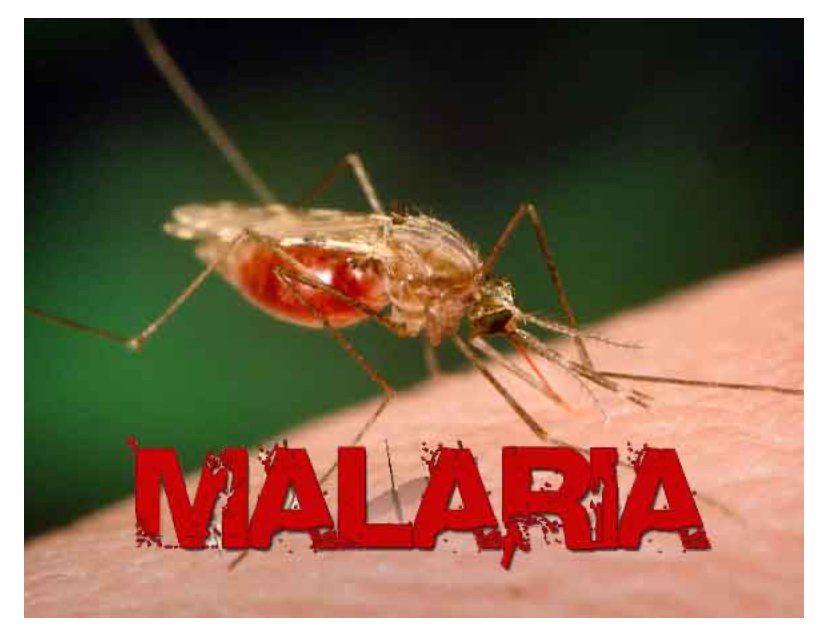
Malaria Crisis in Nigeria: 24 Million Cases Recorded in 9 Months
A recent report by the Federal Ministry of Health and Social Welfare has revealed a staggering 24.47 million confirmed cases of malaria in Nigeria within the first nine months of 2025. This alarming trend highlights the need for targeted interventions to combat the disease, which peaks during the rainy season
According to the 2025 National Health Statistics Report, the number of malaria cases has been increasing steadily over the past three quarters. The report notes that 7,301,279 cases were confirmed in the first quarter, 7,841,483 in the second quarter, and 9,324,470 in the third quarter. This brings the total number of confirmed cases to 24,467,232
The report also highlights the number of people treated for uncomplicated malaria using Artemisinin-based Combination Therapy (ACT). In the first quarter, approximately 7,144,538 individuals received treatment, followed by 7,663,106 in the second quarter, and 9,043,786 in the third quarter
Experts warn that without targeted interventions, the number of malaria cases is likely to rise further before the end of 2025. Nigeria accounts for a significant proportion of global malaria cases, and the country continues to face challenges such as late treatment-seeking behavior and inadequate healthcare infrastructure
To combat the rising of malaria, it is essential to implement effective prevention and control measures. These include:
Distribution of insecticide-treated bed nets This can help prevent mosquito bites and reduce the transmission of malaria.
Indoor residual spraying This can help kill mosquitoes and reduce the spread of malaria.
Prompt diagnosis and treatment Early diagnosis and treatment of malaria can help prevent complications and reduce the risk of death
The malaria crisis in Nigeria is a pressing concern that requires immediate attention. By working together, we can reduce the burden of malaria and improve the health and well-being of millions of Nigerians


 Lunagisthub