 Lunagisthub
Mental Health Crisis in Nigerian Prisons: A Call for Urgent Support
The Nigerian Correctional Service (NCoS) has sounded the alarm on a deepening mental health crisis in the country’s prisons, with 8,246 inmates currently battling various mental illnesses. This alarming statistic highlights the need for urgent support and systemic changes to address the dire mental health needs of inmates.
Prison life can be particularly challenging, with the instant loss of freedom triggering mental health issues in some inmates. Dr. Glory Essien, Assistant Controller General of Corrections in charge of Medical Services, noted that some inmates begin to show signs of disturbed behavior almost immediately after admission. To mitigate this, the prison system relies on specially trained inmate-leaders to identify prisoners exhibiting signs of psychological distress .
Delivering mental healthcare in correctional facilities is complicated by:
The scale of mental health issues far exceeds available resources.
Transportation issues, limited drug supplies, and staff shortages hinder mental healthcare delivery.
Nigerian prisons are severely overcrowded, exacerbating mental health issues and disease spread.
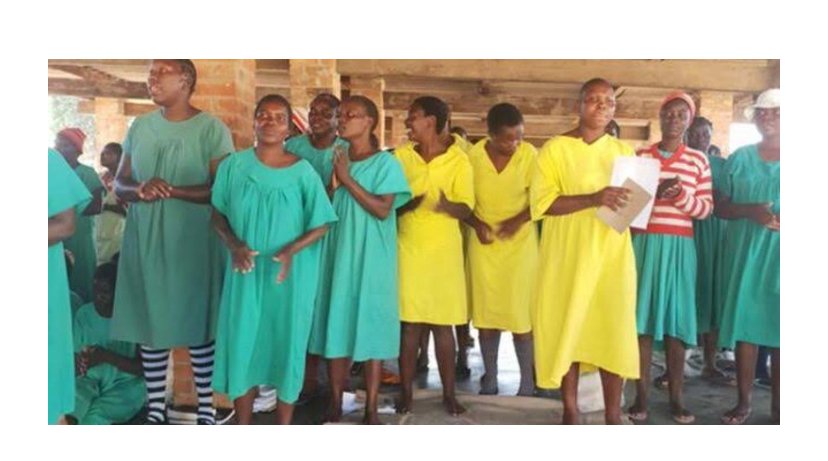
The NCoS spends over N4 million monthly on sanitary pads for female inmates, highlighting the unique challenges faced by women in prison. With about 2.3% of the 81,122 inmates in 256 correctional facilities nationwide being female, there is a need for increased support and resources to address their specific needs .
The Permanent Secretary of the Ministry of Interior, Dr. Magdalene Ajani, has appealed for urgent support and systemic changes to address the dire need for psychiatric and psychological aid in remote states. She emphasized the need for transparency and collaboration with private companies to improve mental health services.

To address the mental health crisis in Nigerian prisons, it is essential to:
Allocate more resources to mental healthcare and infrastructure development.
Provide training for correctional staff on mental health issues and crisis management.
Foster partnerships with mental health professionals and organizations to provide support and services.
Ensure transparency in the allocation of resources and delivery of mental health services.
By working together, we can help alleviate the suffering of inmates and promote a more compassionate and effective correctional system.


 Lunagisthub